Warlords used it to show their command, rakugo storytellers to show their manners, and noblewomen to play the game of love. While it is a tool to keep out the heat, it also reflects the intelligence and aesthetics of its owner. The fan is a Japanese masterpiece. This article covers everything from how to choose a fan by history, material, manner, and TPO, to reliable brands and FAQs. A complete guide to “polish your manliness with a fan.
Sponsored by
Tidbits of Knowledge About Folding FansThe roots of the fan can be traced back to the Heian period (794-1192), and it has strong ties to the traditional Japanese performing arts.
Although there are many theories about the origin of the fan, the theory of Japanese origin is considered the most popular. While fans have appeared on ancient Egyptian murals and in pre-China as a “fan” tool, the “retractable fan,” which is a foldable bamboo or board covered with paper, is a uniquely Japanese invention. The “hi-ogi fan,” which is said to have originated in the Heian period (794-1185), was a highly practical tool made of bound wood strips, but it was also used for writing waka poems, placing flowers on it as a gift, and for other elegant purposes. The nobles also covered their faces with the hinoki fan and learned to communicate their thoughts and feelings indirectly.
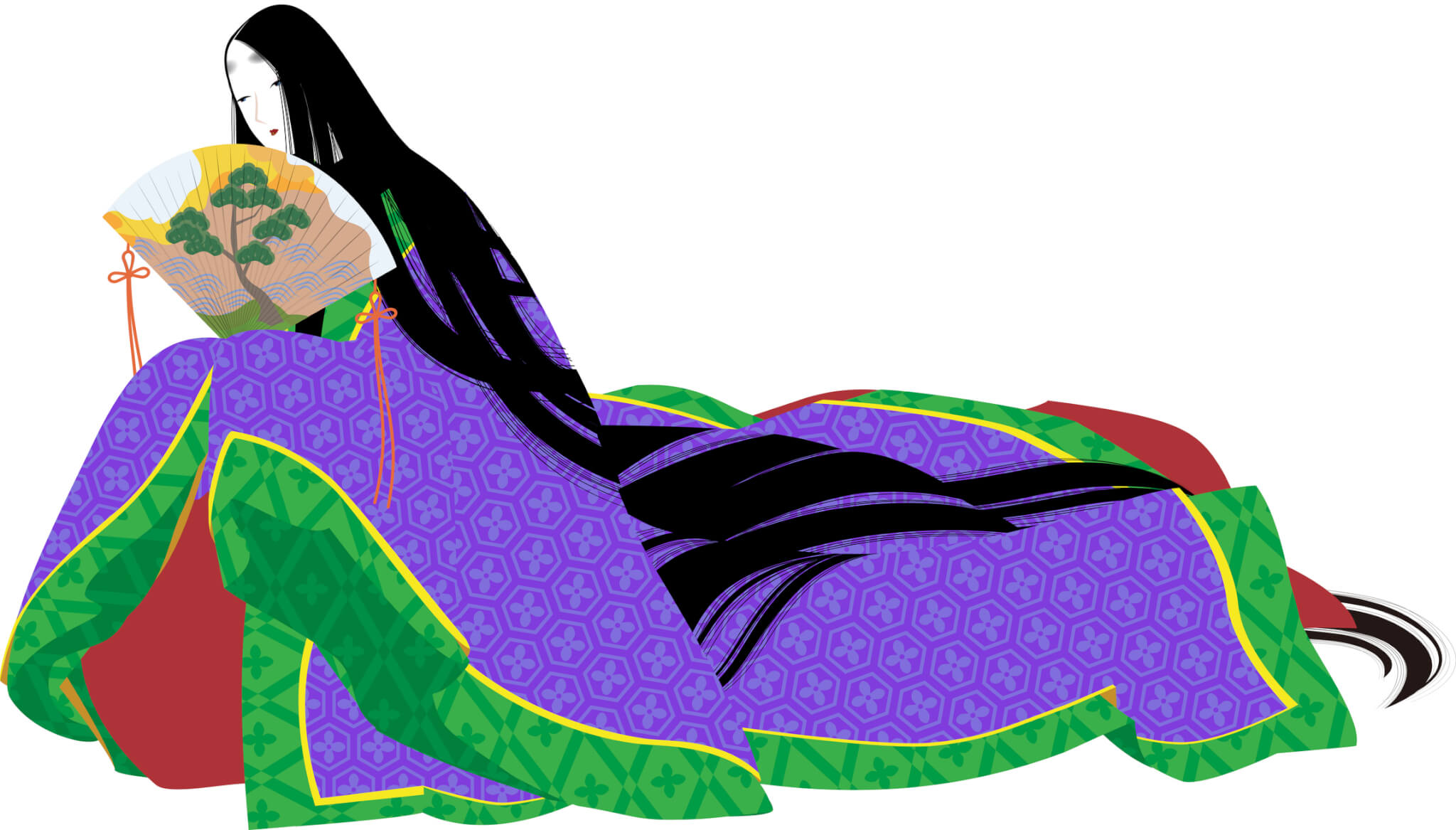
A hinoki fan used by aristocrats in the Heian period. It was a symbol of elegance and courtesy, used to write waka poems and to hide one’s face.
In the Warring States period, the folding fan was given to the warlord and transformed into a ” military fan “, a tool to control the battlefield. The fan was a symbol of dignity and boldness in the way the warlord looked over the battlefield and took command of the situation. It also served as a “silent instrument of command” that was used to signal for the intervention of the enemy in the event of seppuku (ritual suicide), and was even used as an instrument of life and death. The fan, which was used to “exchange lives” in actual battle, was also an aesthetic symbol of the age of war.
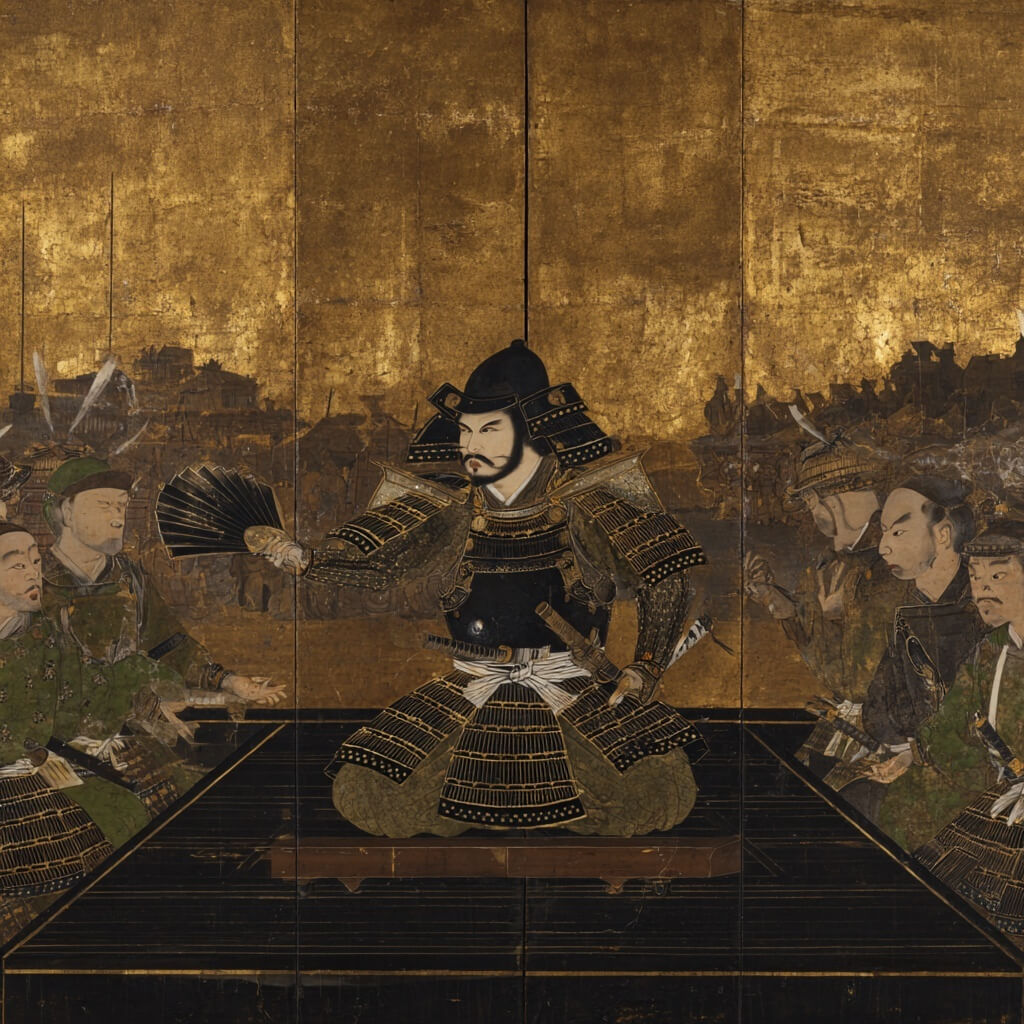
An artist’s impression of a military fan used by warlords. The figure wielding the command symbolized dignity and gallantry ( created in a composition in the style of a folding screen painting or a military history book ).
During the Edo period (1603-1868), when peace prevailed, the fan evolved into the paper fan, ” Koumori-ogi ” (“bat fan”). As the culture of the townspeople flourished, the fan became an indispensable tool in the hands of men as a chic accessory. In Noh, Kyogen, and Kabuki, it decorated the stage as a symbol of emotion and scene, and in the tea ceremony, it became a tool of etiquette to indicate ” boundaries. In rakugo, they have added depth to the performance by transforming into chopsticks, brushes, smoking pipes, swords, and all sorts of other tools.
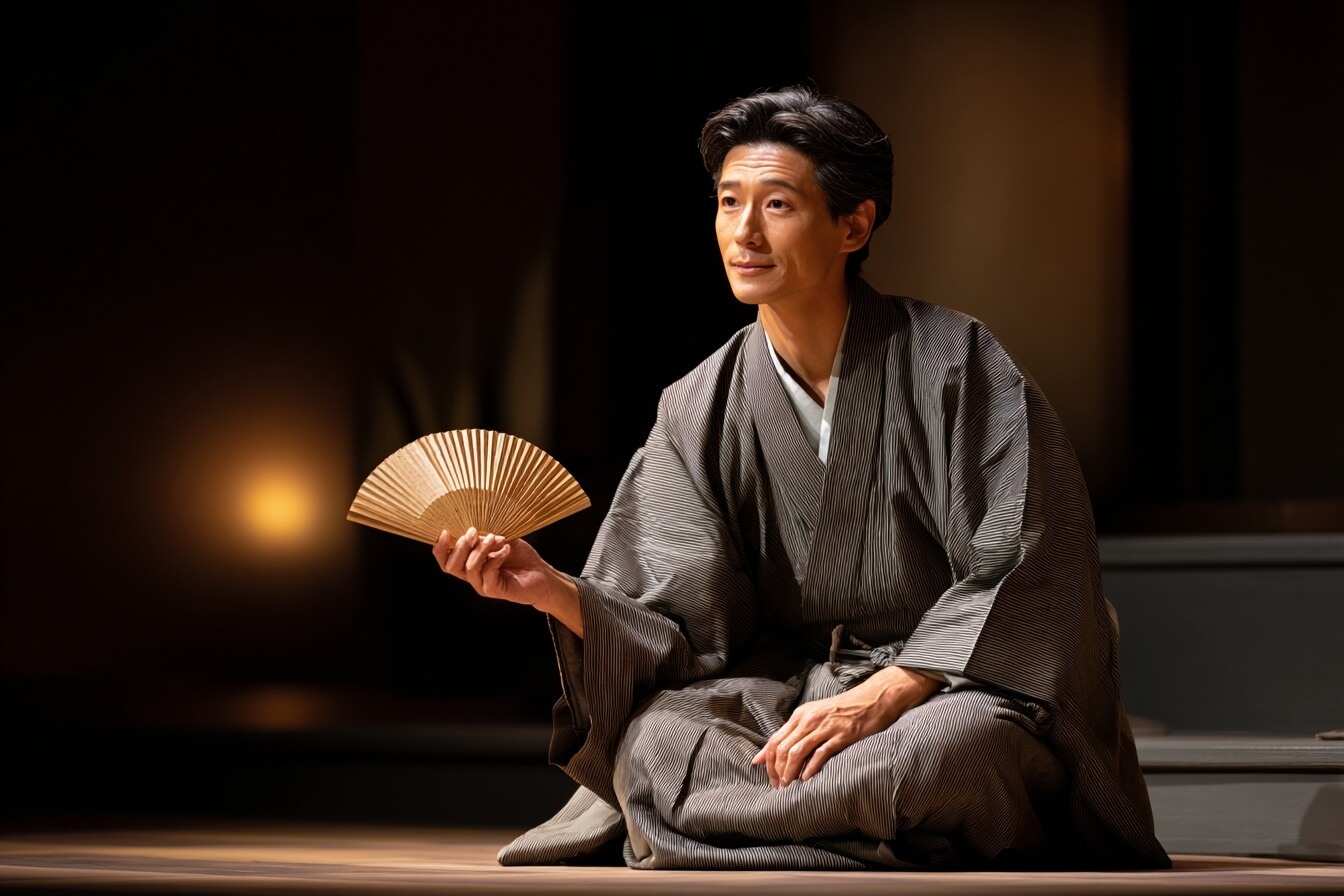
The fan is “another hand.” In rakugo, the fan is used as a supporting role, adding depth to the performance, and can be likened to chopsticks, a smoking pipe, a brush, or various other tools.
.During the Age of Discovery, fans were exported to Europe via China, where they developed their own unique style as a social item for ladies. The gesture of holding a fan in one’s hand also functioned as “a tool for manipulating the space between conversations,” and a culture of communicating one’s intentions through signs called ” fan language ” was born. For example, a person would trace his or her cheek with a fan to indicate “I love you,” or drop the fan to indicate “Let’s be friends.

In 17th century Europe, the gesture of the fan became the “language of love. Ladies secretly expressed their feelings at balls (introduced from Japan via China during the Age of Exploration and Discovery).
.With this background, the Japanese fan is being reevaluated both in Japan and abroad as an item that embodies COOL JAPAN in the modern age. More than just a tool to protect against the heat, the fan conveys a sense of beauty and intention.
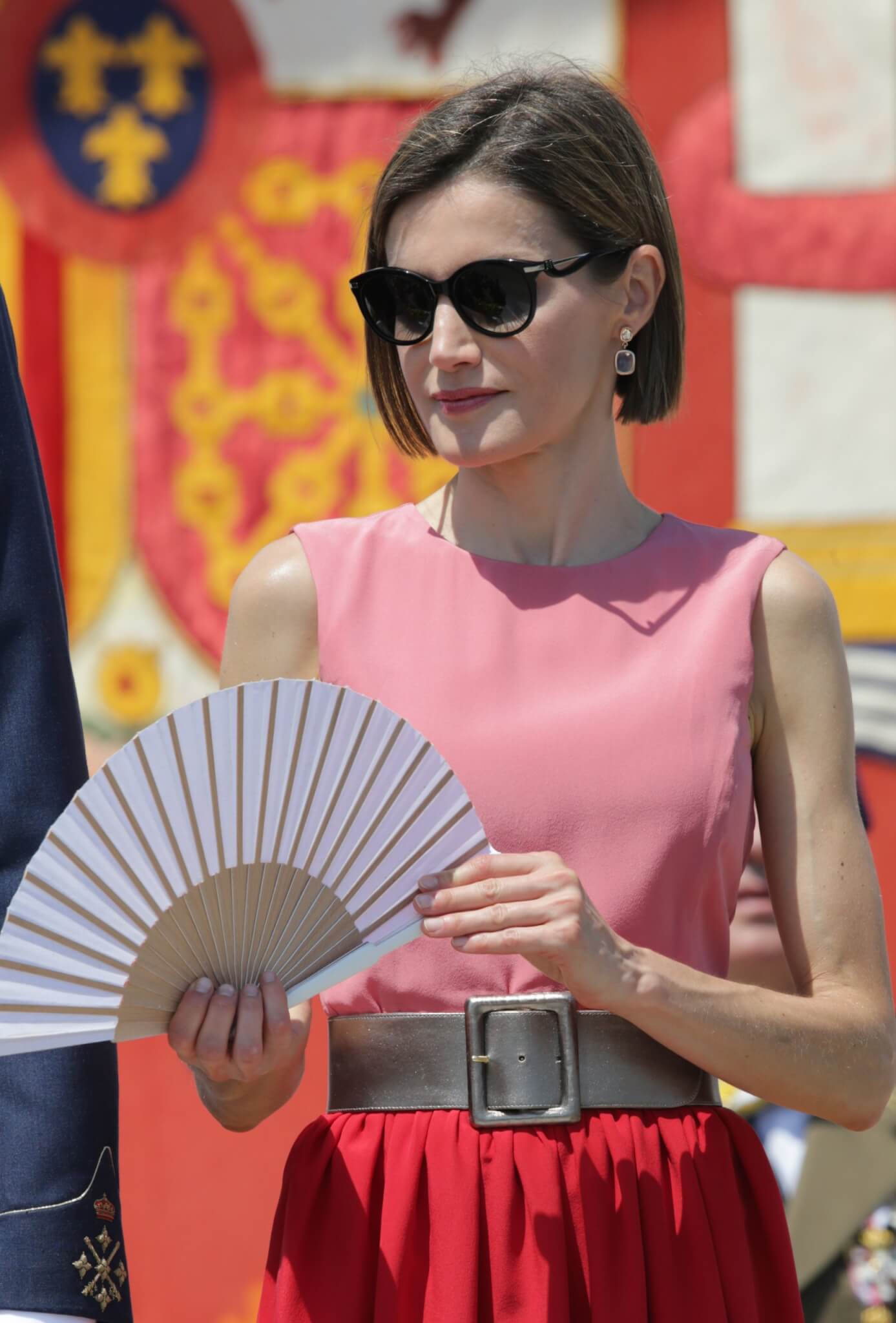
Photo: Gtres/Afro
Spanish Queen Letizia attends the delivery of the actual employment office at General Air Academy, in San Javier, Murcia, Spain, on Tuesday 14th July, 2015
From what perspective should a good-looking man choose a fan?It's chic to pay attention to details and materials because the structure is simple!
The material used for the fan surface of a folding fan is ” cloth ” or ” paper “. Although there are fans made of polyester and other materials in recent years, cloth fans made of cotton, linen, silk, etc., or paper fans made of Japanese paper are the most popular. Paper fans provide more airflow when fanned, making them feel cooler. On the other hand, cloth fans are far more durable than paper fans.
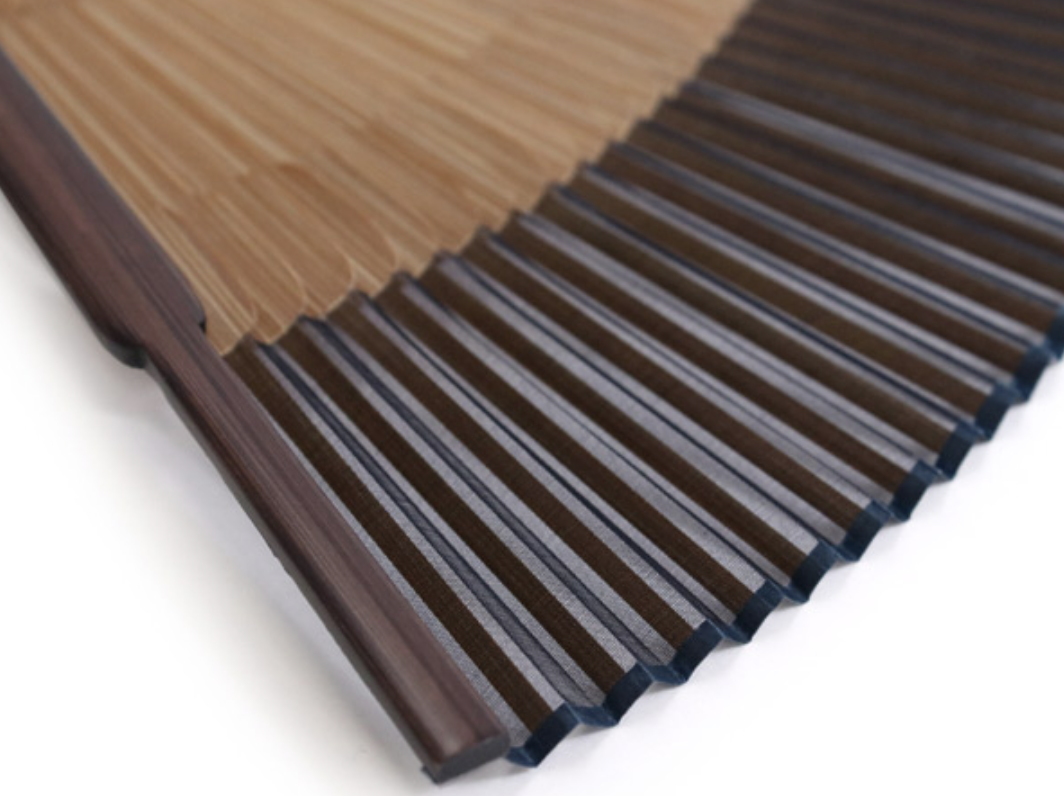
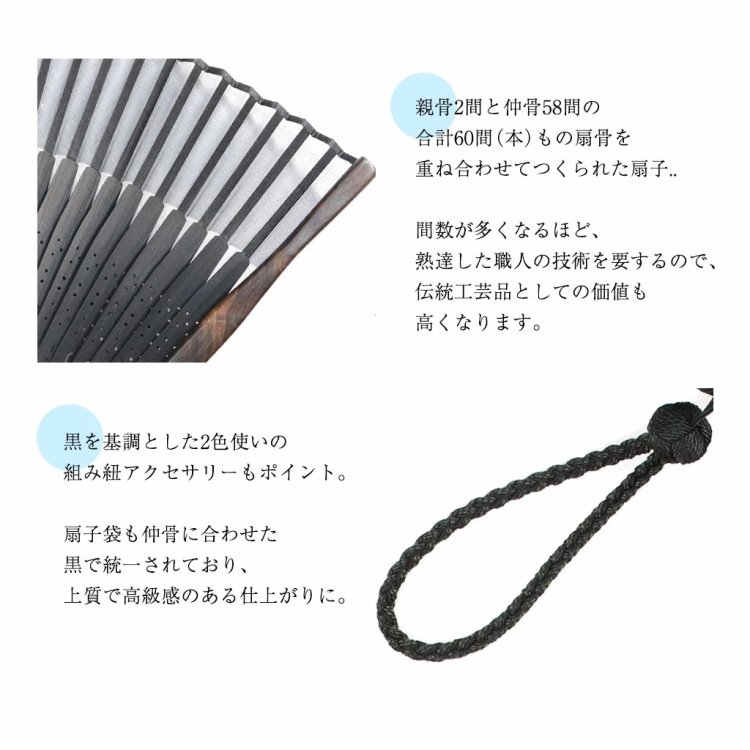
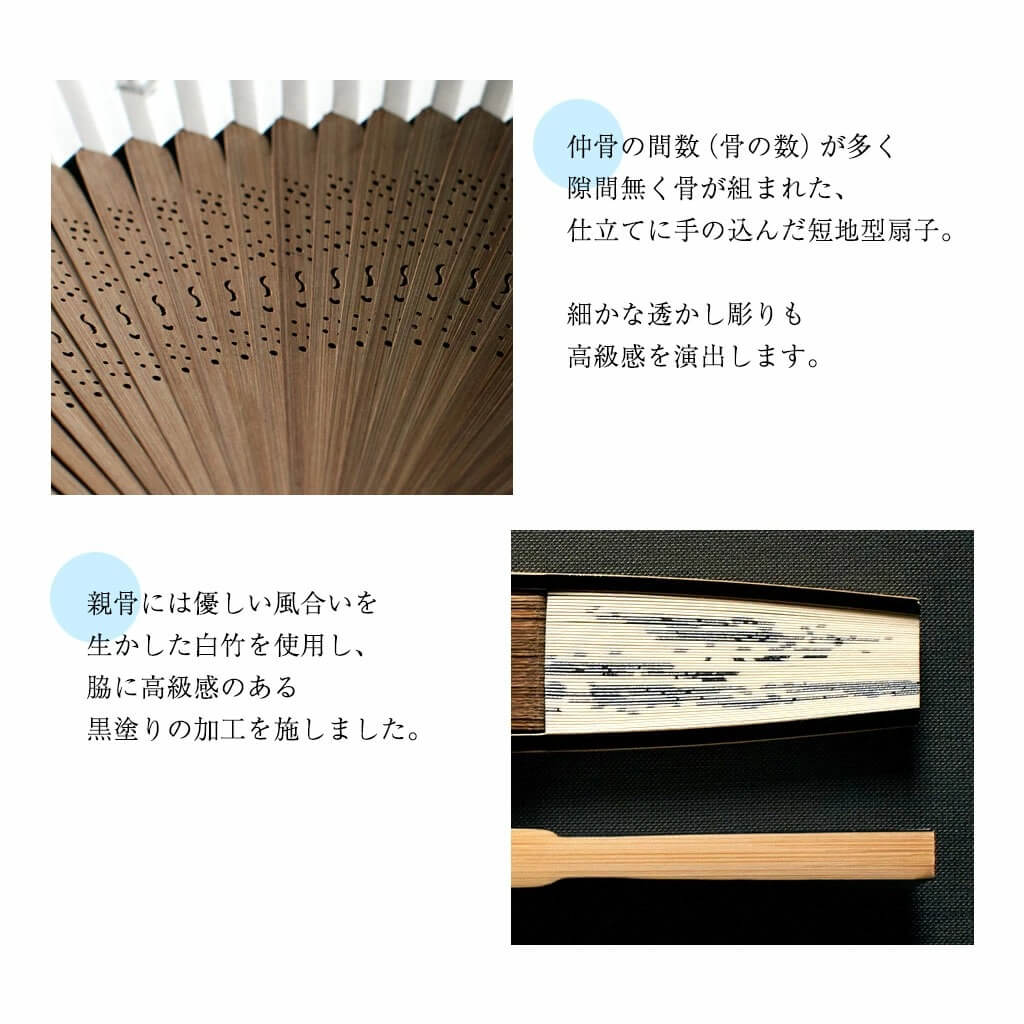
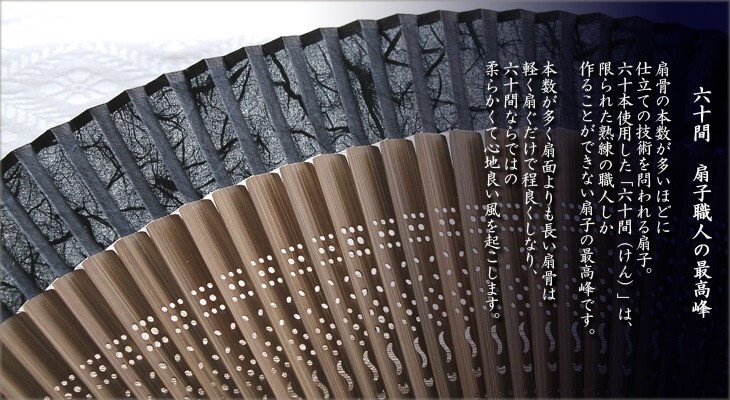
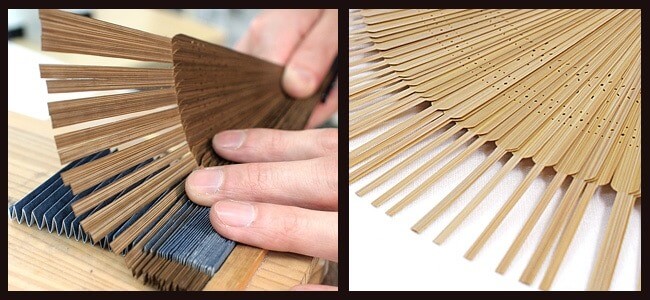
As for the framework, ” bamboo ” is the standard. The number of bones is indicated by the unit of “ken,” and the more ken* there are, the more expensive the fan will be and the more luxurious it will look. The more the number of naka-bones, the softer the wind can be, which is also a practical advantage. Quality also varies depending on which part of the bamboo is used. Bamboo with the ” front skin ” of the bamboo is strong and flexible, making it easy to agitate. On the other hand, those made from the ” middle bark ” are lighter and easier to carry, but tend to be slightly less durable and flexible. The standard length is 30-35 ken for daily use, and 40 ken or more for gifts and formal occasions. The impression of a fan varies greatly depending on whether it is painted or engraved. A good folding fan is clearly distinguished by the sound it makes when opened and closed, and by its suppleness in your hand.
This term indicates the number of bamboo bones that make up a folding fan, and refers to the total number of bones including the outer and middle bones . Generally, it is written as ” 35 ken ” or ” 45 ken “, etc. The larger the number of ken, the thinner the bone is, and the more beautiful and supple it is when opened.
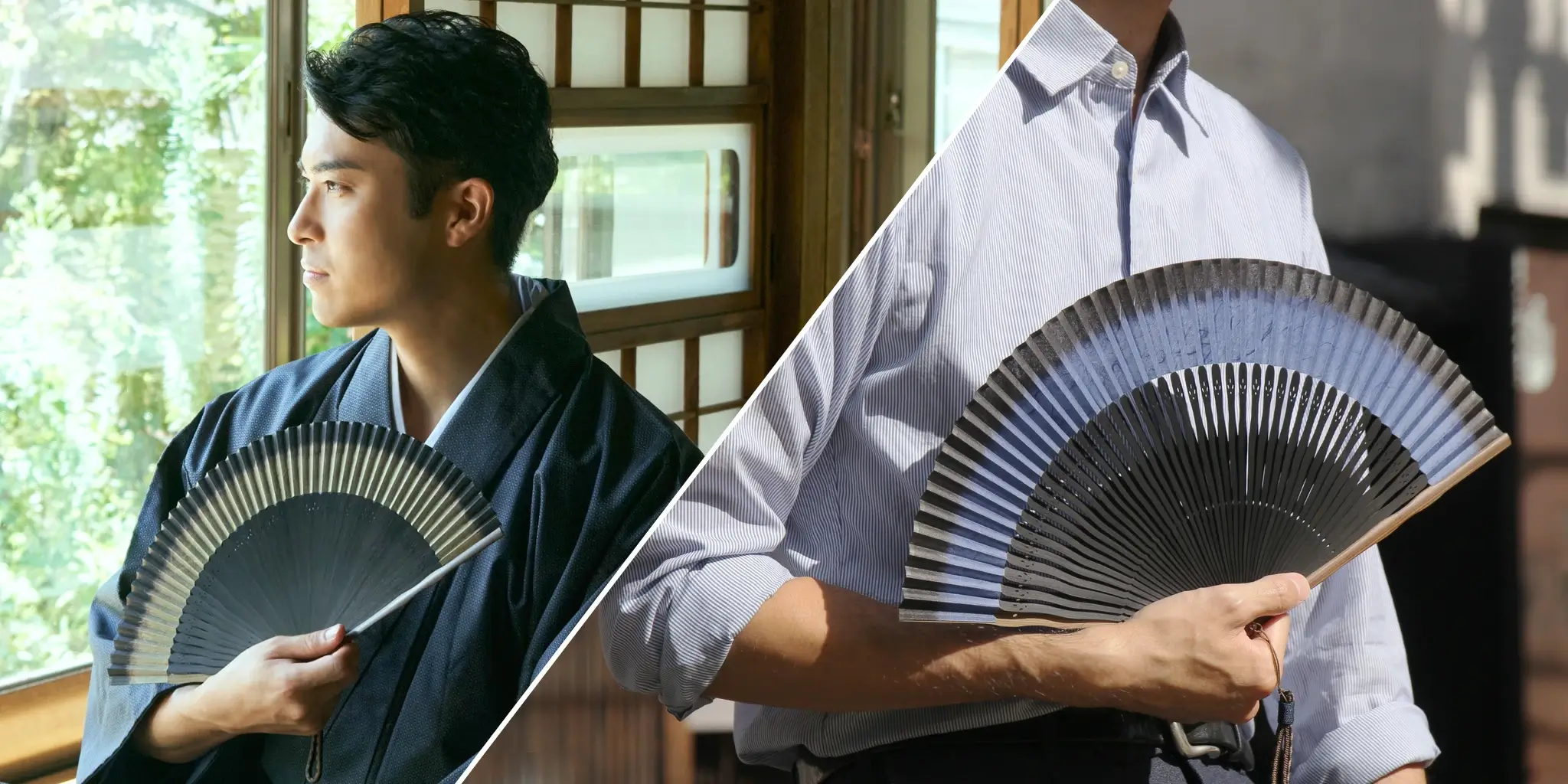
I wonder if a fan of this design would look bad if I used it at work with a suit.” “Is there a rule about matching a fan with a yukata?” In order to resolve such questions, we will now delve deeper into the fans that should be selected according to TPO.
TPO 1: Business and formal occasionsDeep-colored plain and short type for dignity
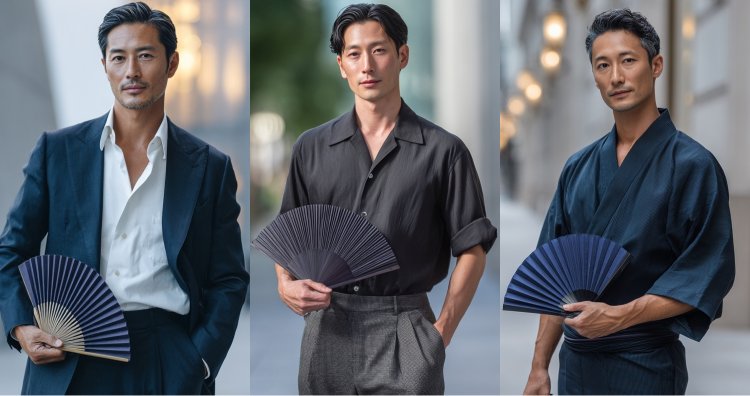
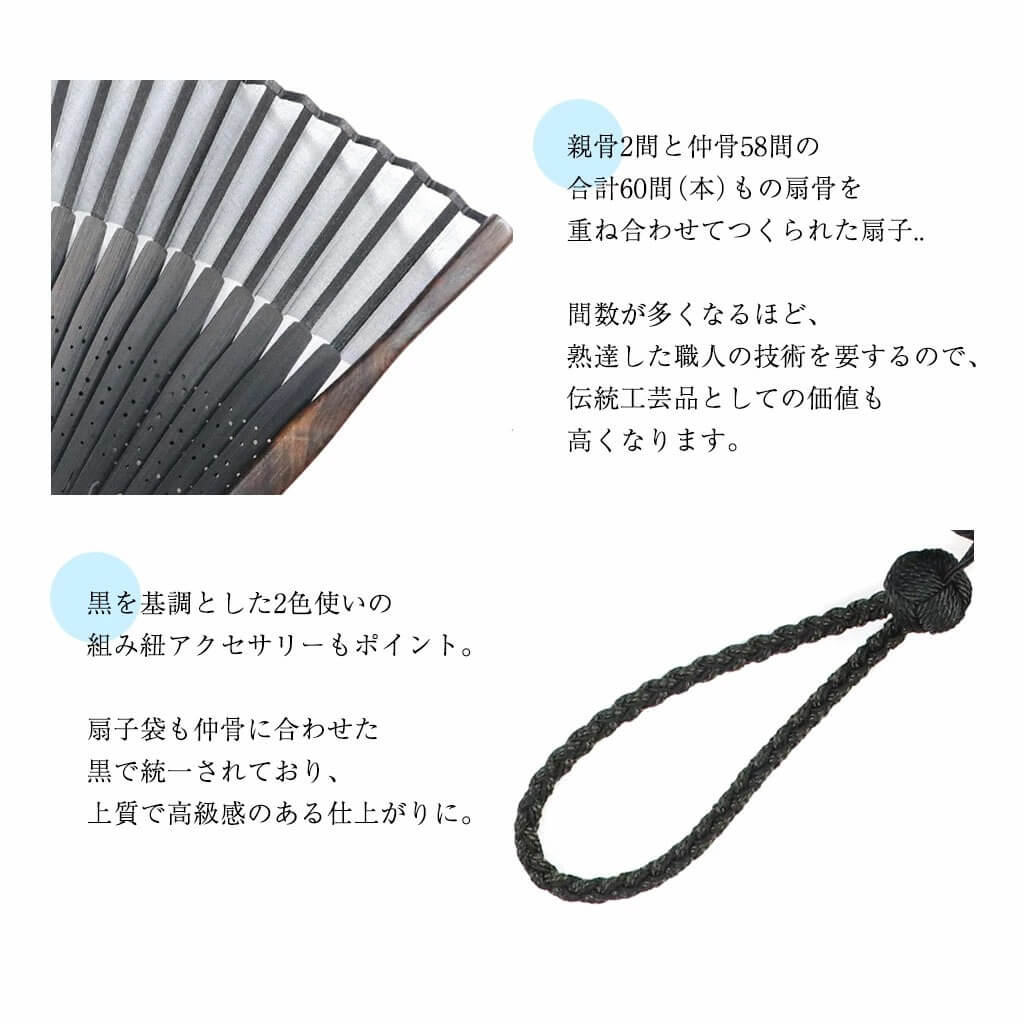
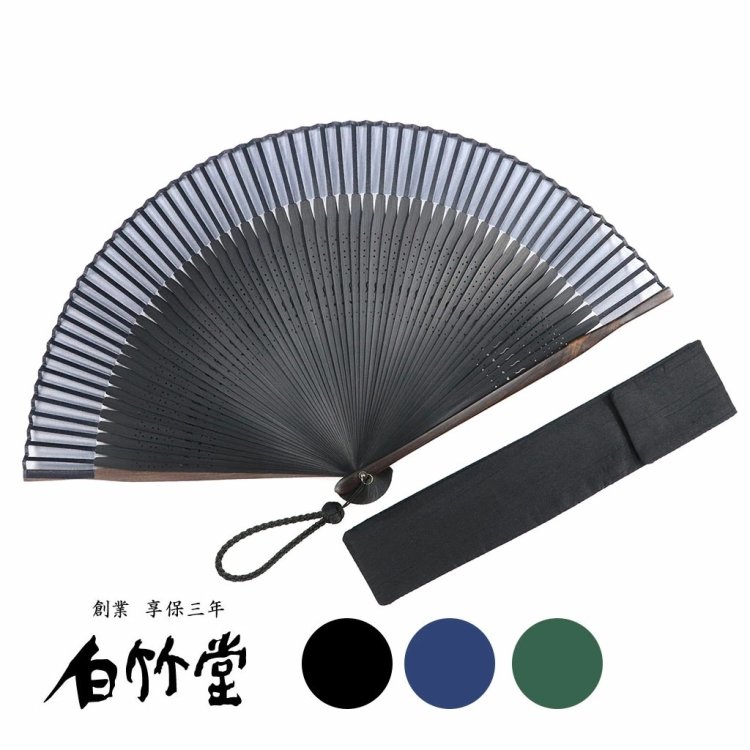
If you want to match a fan with a suit or jackets for business occasions, the first key is the “modesty” of the color and appearance. The best choices are deep, solid colors such as black, black ink, and indigo, or short-grained types with a very modest gradation of shades. The ideal material is a matte fabric rather than washi paper, which reduces the visual luster and creates harmony with the texture of the suit. The reduced decoration, such as the modestly painted bamboo frame and the subtle openwork, is the essence of “chic” in the business scene. A fan that can be casually unfolded at a desk or in a meeting room without looking clumsy, and that has a “core” to its behavior, is one that can be used in a business setting.
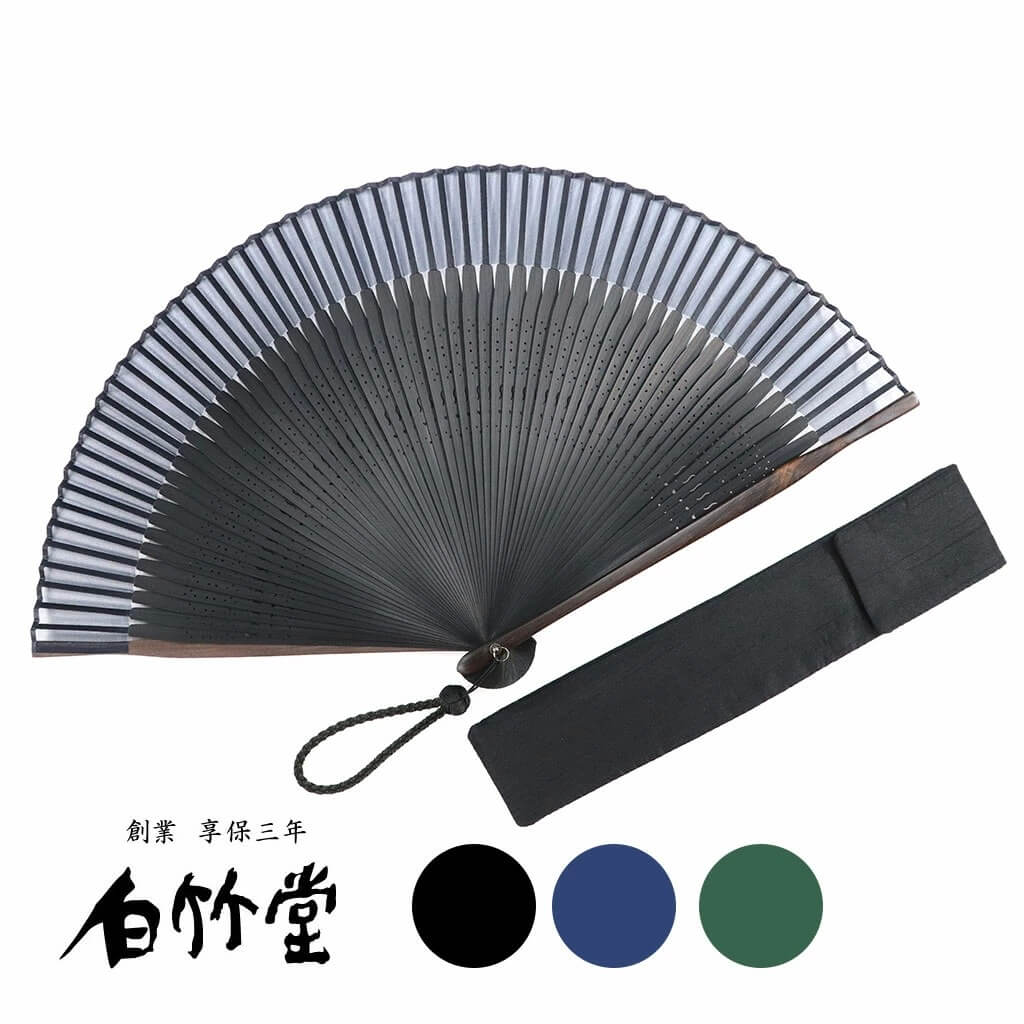
![Men's folding fan, set of 60 ebony fans, with pouch case Father's Day, mid-year gift, personalized gift, gift for anniversary, celebration, fashionable [ Shirochiku-do, a long-established Kyoto-based company established in 1718 ] imgi_56_oyak60_n_05](https://otokomaeken.com/wp-content/uploads/2025/07/0d007c12bfee89f4d9db2398fc10eae8.jpg)

![Men's folding fan, set of 60 ebony fans, with pouch case Father's Day, mid-year gift, personalized gift, gift for anniversary, celebration, fashionable [ Shirochiku-do, a long-established Kyoto-based company established in 1718 ] imgi_56_oyak60_n_05](https://otokomaeken.com/wp-content/uploads/2025/07/0d007c12bfee89f4d9db2398fc10eae8-750x750.jpg)
TPO 2: Private and social occasionsAim for natural woodgrain or openwork
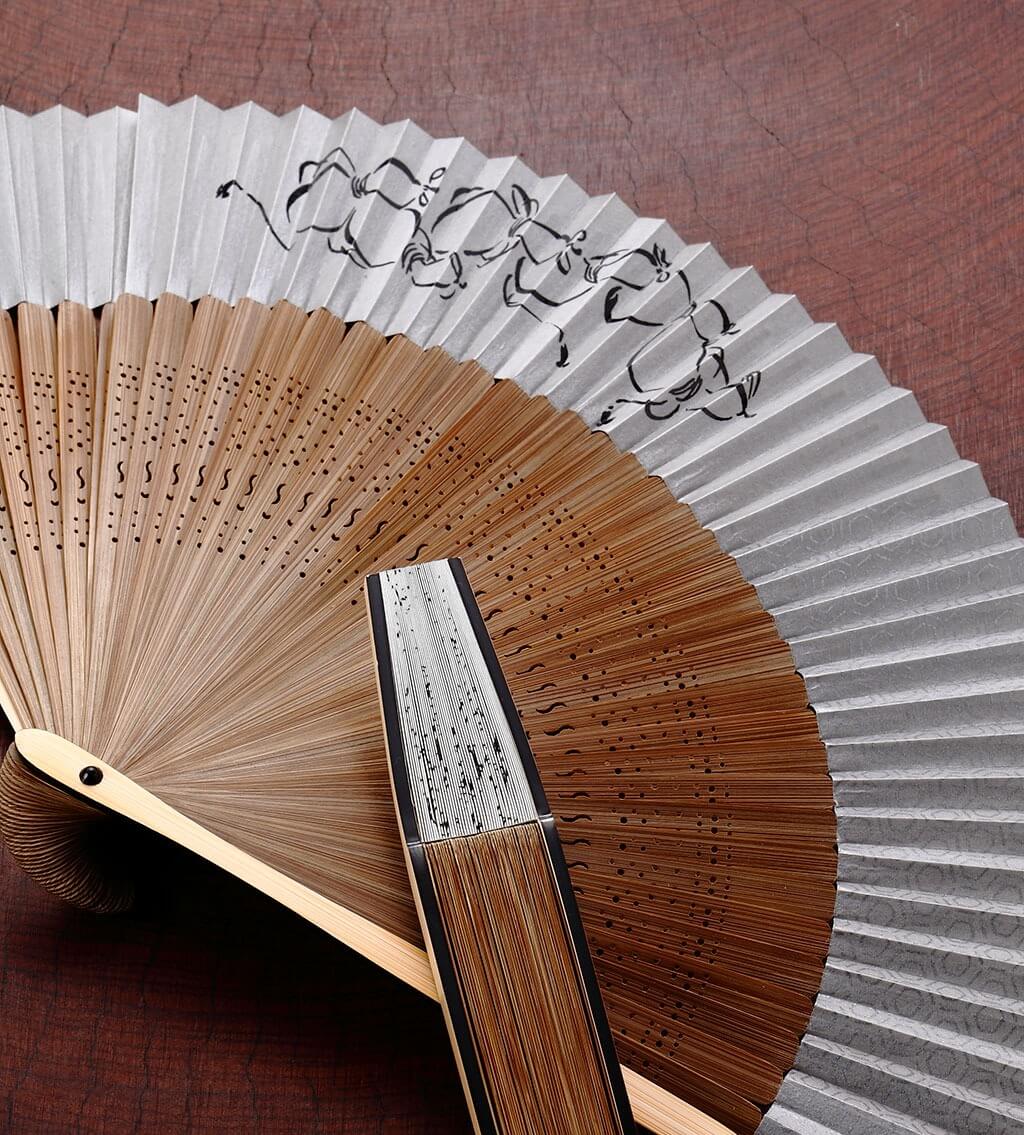
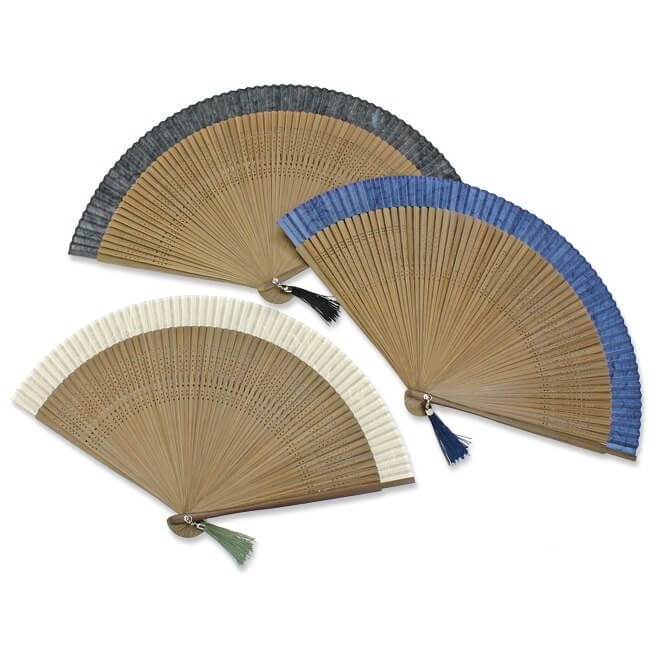
If you want to match them with light clothing such as T-shirts, open-collared shirts, and linen shirts, it is just right to “play a little” with the design and texture. The trick is not to be too pretentious, but to give a hint of adult sexiness and attention to detail. For example, a fan with a gradation or openwork carving on a wood-grain or sooty bamboo frame. Such a model can add a “little class” while blending in with casual wear. The balance between short and long fabrics is a matter of taste, but it is easier to achieve overall harmony if you choose one with a sense of volume that matches your outfit. In addition, a design with a visual “sense of discretion,” such as gradation or light-colored blurred dyeing, will subtly produce an adult’s sense of composure. The trick to incorporating a fan into your casual attire is to choose one that looks good just by randomly placing it in your pocket or bag.
TPO 3: Yukata, Jinbei, and traveling attireJapanese patterned fan x sooty bamboo or carved bone to raise its class
A fan is more than just a seasonal accessory in Japanese clothing. It has historically been positioned as a symbol of those who wear “iki” (stylishness). The ideal fan to match a casual kimono such as a yukata or a jinbei is one with ahandcrafted frame made of sooty bamboo or carved bone, and a fan surface decorated with traditional designs such as Japanese patterns or paper cutouts. Just by carrying a fan, your Japanese attire will be elevated to a higher level of “chic” appearance. Especially at summer festivals and in hot spring resorts, one small gesture can make the difference between you and others. By choosing a design that is in keeping with the local atmosphere while at the same time evoking urban sophistication, true “chic” can be achieved.
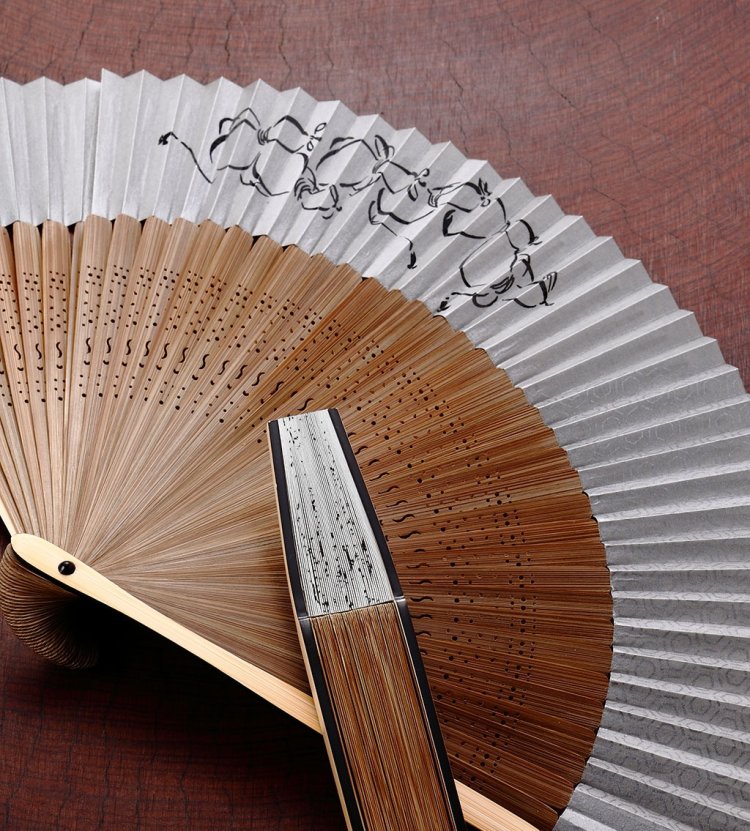
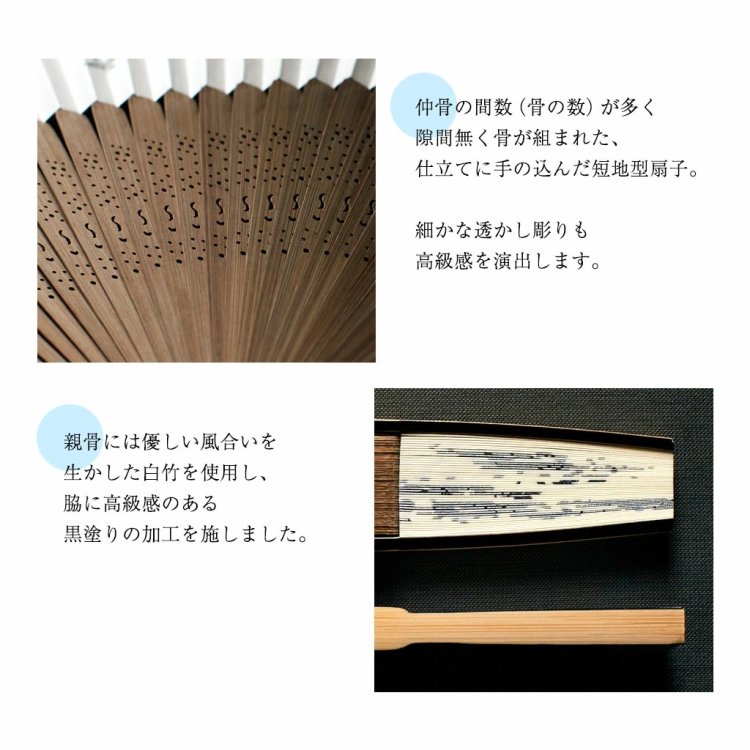
Next, we will introduce four standard brands that you should know when buying a fan.
1 classic fan brand that chic men should knowShirochiku-do (Kyoto),
Established in 1832 ( Tempo 3 ), Shirochiku-do is a prestigious brand that symbolizes the tradition and prestige of Kyoto folding fans. The entire manufacturing process is carried out in the company’s own workshop in Kyoto, and the company maintains an uncompromising attitude from the selection of materials to the finishing touches. Selected bamboo is used for the fan bone, and the fan surface can be made of Japanese paper, cloth, silk, and other materials. The craftsman’s handiwork in every detail gives each fan a “classy” feel, from the sound of opening and closing, to the softness and comfort of the handle. A wide range of products are available, from short, plain types ideal for business use to stylish ones fused with modern art. They are also highly reliable as gifts, and special specifications such as a paulownia wood box and personalization are also available.
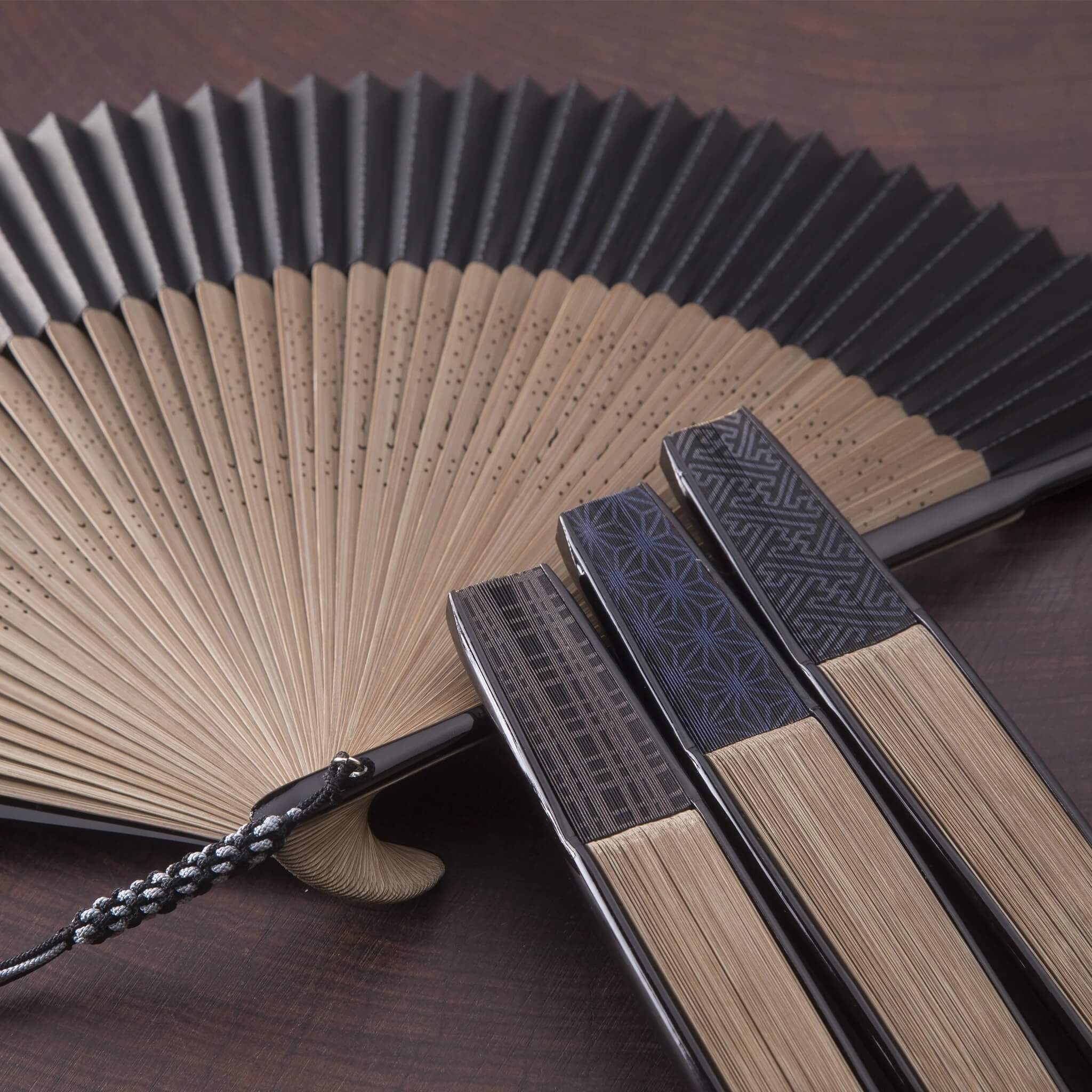
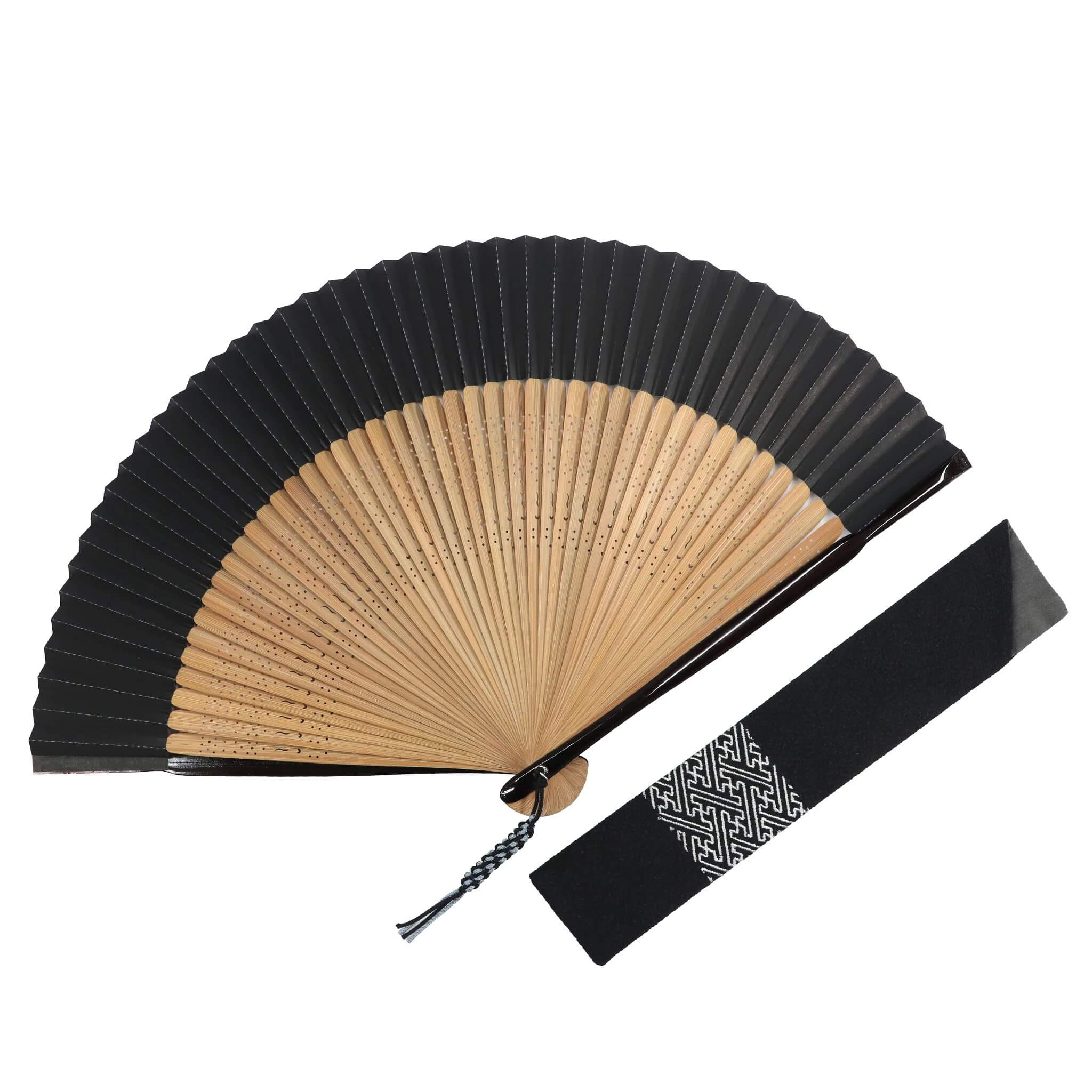
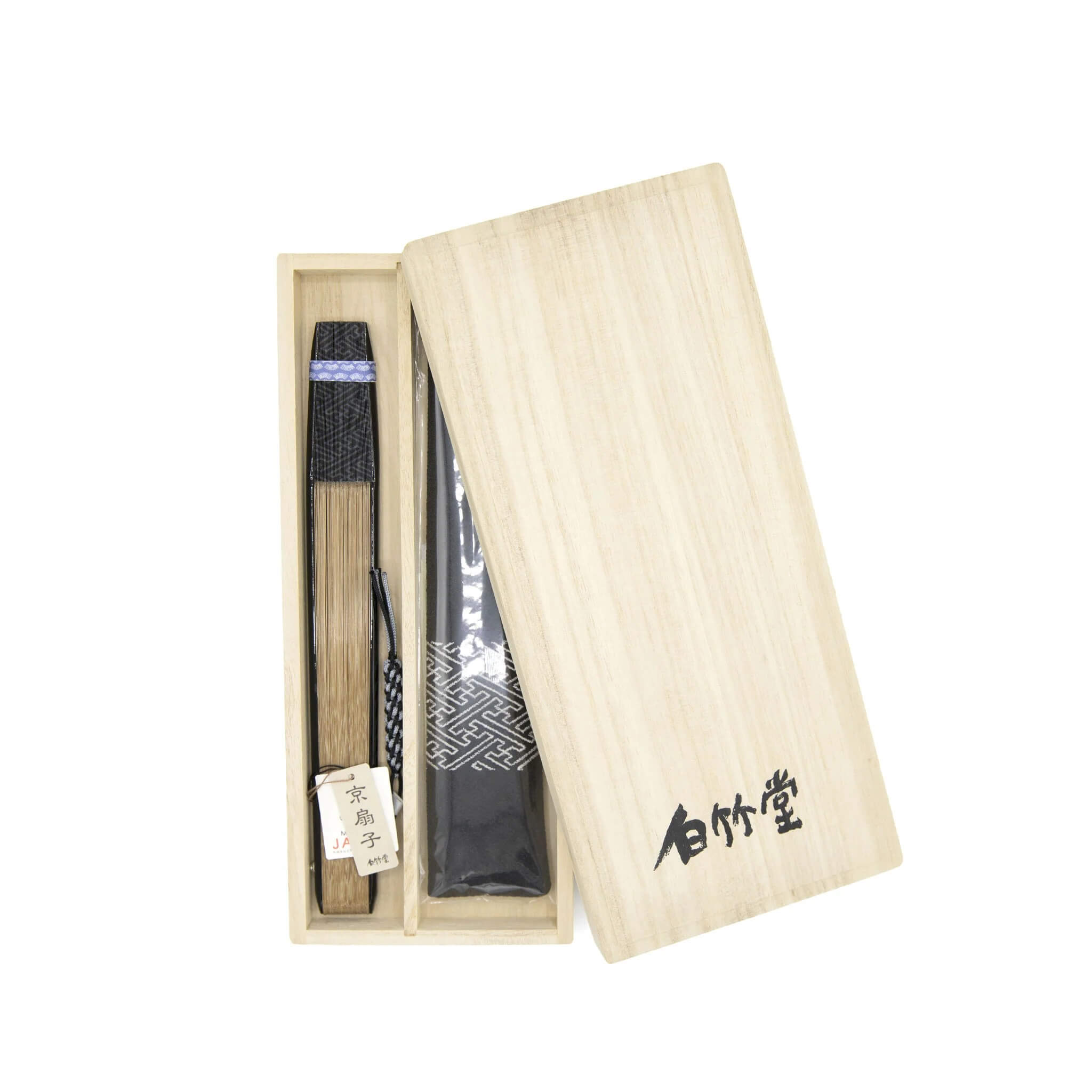
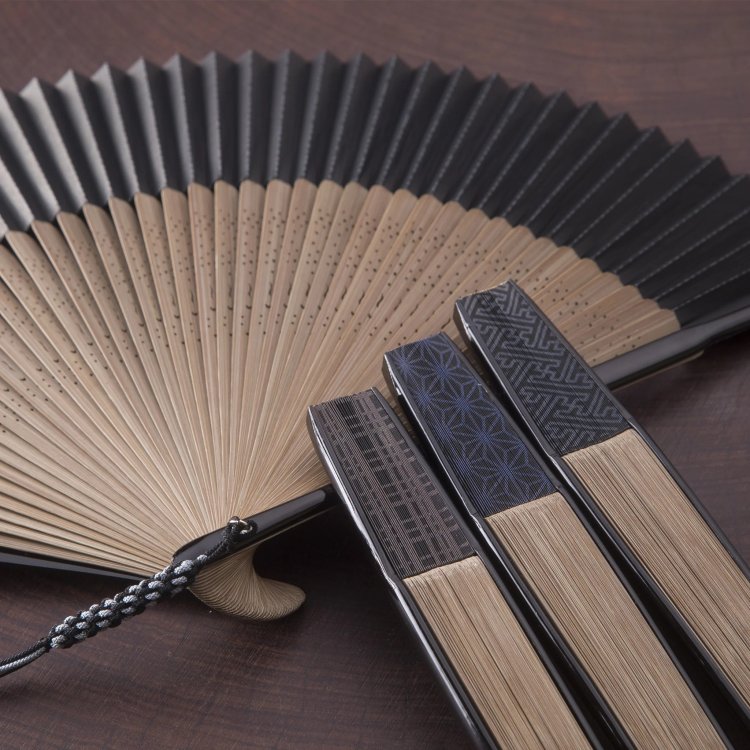
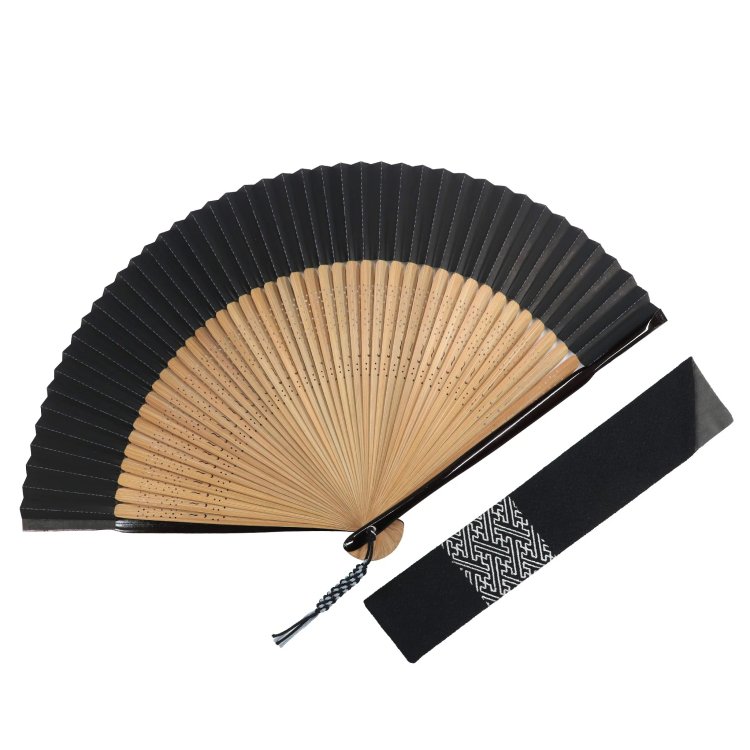
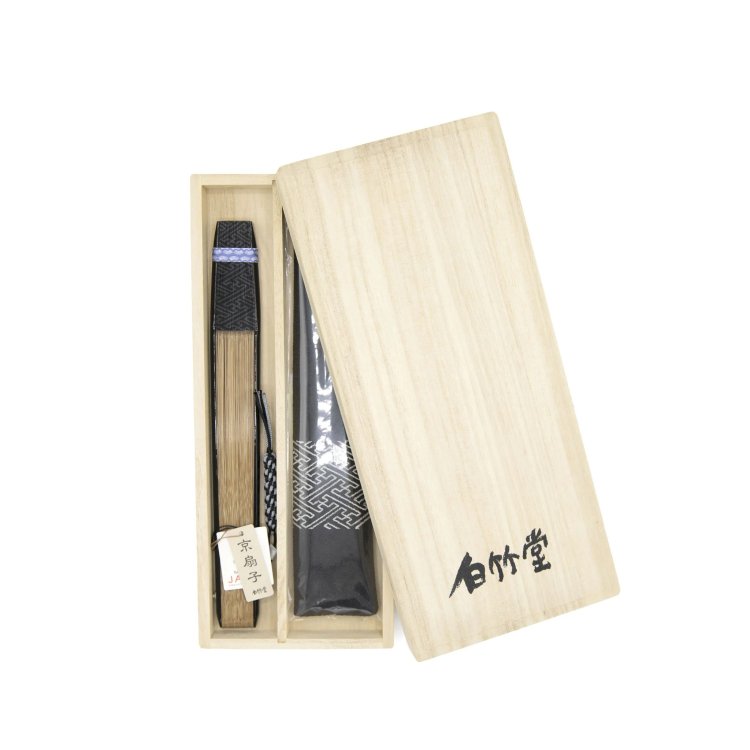
Find men’s fans at Shiratake-do
2 classic brands of fans that chic men should know aboutMaifangdo (Kyoto)
Maifushindo is a brand from Kyoto that has gained popularity for its designs that transcend the boundaries of traditional folding fans. Many of its motifs have a picturesque beauty, such as goldfish, gold leaf, and hand-painted floral patterns, and they fit in well with Western-style clothing. While based on classic Japanese techniques, the modern sense of color and composition is exquisite, adding a “stylish Japanese touch” not only to kimonos and jinbeis, but also to casual styles with just a T-shirt. All of the high-end models are finished at a workshop in Kyoto, and are popular among inbound customers. You are sure to find a fan that is “picture-perfect” for traveling, watching a play, or just walking around town.
3 classic brands of fans that chic men should knowIbasen (Nihonbashi, Tokyo)
Ibasen was founded in the Genroku era (1688-1704), and continues to operate in Nihonbashi, Tokyo, as Japan’s oldest fan specialty store. Ibasen is the one and only company that conveys to the modern age the culture of the townspeople loved by the chic people of Edo (1603-1868). The fact that Ibasen fans continue to be loved by professional entertainers such as rakugo (comic storytellers) and kabuki actors, who have mastered the art of sophistication, is proof of this. There is a wide price range, from foreign-made models suitable for daily use to high-end models made of domestic materials. The high-priced models, in particular, are gems that evoke the “beauty of Edo craftsmanship” with their delicate carvings on ultra-thin bamboo bones. The more you use them, the more they become more beautiful and attractive, and you can enjoy them for a long time as “fans to be nurtured.
![IBA-SEN SHIKEBIKI SEN, double-sided, indigo [Reprinted in Japanese Hon-Urushi] with paulownia box and bag, 7.5" imgi_7_DSC_1288-1](https://otokomaeken.com/wp-content/uploads/2025/07/d9d134bea995f4b516895e4b8f9d3a5f.webp)
![IBA-SEN SHIKEBIKI SEN, double-sided, indigo [Reprinted in Japanese Hon-Urushi] with paulownia box and bag, 7.5" imgi_12_DSC_1289-5](https://otokomaeken.com/wp-content/uploads/2025/07/76a325b2654349f814cf73b42f729d30.webp)
![IBA-SEN SHIKEBIKI SEN, double-sided, indigo [Reprinted in Japanese Hon-Urushi] with paulownia box and bag, 7.5" imgi_7_DSC_1288-1](https://otokomaeken.com/wp-content/uploads/2025/07/d9d134bea995f4b516895e4b8f9d3a5f-750x750.webp)
![IBA-SEN SHIKEBIKI SEN, double-sided, indigo [Reprinted in Japanese Hon-Urushi] with paulownia box and bag, 7.5" imgi_12_DSC_1289-5](https://otokomaeken.com/wp-content/uploads/2025/07/76a325b2654349f814cf73b42f729d30-750x750.webp)
4 classic brands of fans that chic men should knowNishikawa Shoroku Shoten (Shiga)
This brand has its roots in a merchant family founded by Omi merchant Shoroku Nishikawa in 1585 during the Warring States period ( Tensho 13, 1585 ). The brand has attracted attention for its product creation based on tradition with a modern essence. In particular, many of the fans in the line are highly designed in collaboration with graphic artists and textile designers, and are popular among highly sensitive men who enjoy “fashionable” rather than “iki. They are also in high demand as second fans for young people and businessmen, and are relatively inexpensive. Some of them are made in China, but the discerning eye of the Japanese designer shines through in many places. Just by carrying one in your bag or pocket, your outfit will be elevated a notch.
Finally, we will introduce answers to frequently asked questions about fans.
Q. What is the difference between a fan and a fan?
A. Both are “wind-generating tools,” but there are clear differences in structure, portability, and cultural connotations. While uchiwa fans are fixed and easy to use, they are not expressive in their gestures, and are more of a daily commodity. On the other hand, the folding fan is a tool that reflects the user’s sense of beauty and dignity, as the act of opening and closing the fan itself is a “gesture. While uchiwa fans have taken root in the daily lives of ordinary people, fans have been used by aristocrats, warriors, tea masters, entertainers, and others as an expression of decorum and prestige.
Q. Is there a difference between men's and women's fans?
A. The differences between “for men” and “for women” in fans are easily expressed in size, design, and color, but in fact there are no definitive rules. In fact, there are no definitive rules. Rather, it is “modern chic” to choose freely according to the user’s attire, hand size, and purpose of use. The most common size for men is about 7 sun 5 min (23 cm), and for women about 6 sun 5 min (20 cm). This depends on the length of the kimono sleeves and the size of the hands, but this does not apply if the kimono is to be worn with western clothes. In terms of design and color patterns, deep colors such as indigo, black, and black ink, plain colors, or geometric or striped patterns are often used for men, while floral patterns, birds, butterflies, and other gorgeous designs are often used for women. However, the choice of patterns is becoming more diverse, as men and women alike are becoming more conscious of the contrast with their outfits and the season.
Q. What is the number of spaces in a fan?
A. The term refers to the number of bamboo bones that make up a fan. The larger the number, the finer the bones become, and the more beautiful and flexible they are when opened. In other words, the number of spaces is a barometer that reflects the “quality” of the fan. The standard for daily use is 30 to 35 ken, and for gifts and formal occasions, 40 ken or more is considered to be a standard. The choice of a fan depends not only on its appearance, but also on the precision and softness of the wind you feel in your hand, so it is important to choose the right one for the right purpose.
Q. Do I need a rubber ring to hold the tip of the fan together?
A. The small rubber ring that comes with the fan when you purchase it – officially called a “sensu-dome” – is an important part that binds and protects the bones of the fan when it is stored. Because of its unassuming appearance, some people “carelessly throw it away” along with the tag, but it is actually a very important part that prevents the bones from shifting or being damaged when carrying or storing the fan. Especially in situations where it is carried in a bag or pocket, the double protection of the fan clasp and case will determine the longevity of the product. If you lose it, you can replace it with a general-purpose band (sold separately), but it is a good idea to keep it as a “must-have” first.
Q. What is the best way to use a fan to make it last longer?
Q. What is the best way to use a fan to make it last longer?
The most important thing in making a fan last longer is how you open and close it. Since they are opened and closed many times a day, simply opening and closing them correctly each time will make a big difference in their lifespan. To open a fan, point the fan’s main bone upward, push it open slightly with your thumb, and open it slowly with both hands. The key is to open it slowly and carefully, because opening it all at once will damage the fan. When closing, do not try to close it with one hand, but use both hands to pull it closed. If the aforementioned fan clip is attached, it will prevent the fan from losing its shape. When carrying it, put it in a fan bag and store it in your bag. If you do not have a fan bag, it is recommended to wrap it in a dry handkerchief and store it in your bag.
Q. What is a short-ground fan?
A short-ground fan is a fan with a design in which the cloth portion is short and the bone portion is long. It is known as a specification often seen in high-end folding fans, and is popular for its excellent durability and ease of use. The design varies depending on the way the middle bone is carved, and it can be used with all kinds of clothing and occasions, from kimonos to business suits, without feeling uncomfortable.
Q. Can a fan be used for business?
A. Folding fans were once a chic item used by warriors, townspeople, and people of culture as ” a tool for adjusting one’s manners. Inheriting the spirit of the old days, they can be used in business to show a “cool and self-disciplined” appearance. However, care must be taken in its use and selection. Instead of a fan with a flashy pattern or large size, choose a plain, short, or deep-colored (black, indigo, or sumi) fan that blends well with your suit. Open it quietly without making a sound, and do not blow it too much, but just enough to “add a breeze” to your work.
Q. What is the difference between a cheap and an expensive fan?
A. The biggest difference lies in the number of bones and the quality of the material. Inexpensive fans have fewer bones, and the bamboo and tailoring are simpler, making the opening and closing noises louder and the movement awkward. The print is also mass-produced and tends to tear easily. On the other hand, expensive fans have more bones, open and close smoothly, and are quiet. The quality of the Japanese paper and cloth is also high, and the bending and fingertip feel of the fan has a certain “elegance” to it. If the fan is made in Japan or by a long-established company, it comes with a paulownia wood box or case, making it suitable for gift-giving, and the gesture itself exudes class.
Q. How about giving a fan as a gift?
A. Although a fan is a practical item, it is a chic gift that shows the recipient’s dignity and taste. In particular, one made by a long-established brand or handcrafted by a craftsman will become a “summer companion” that accompanies you in your daily life. Many come with a paulownia wood box or special case, making them suitable for gift-giving and leaving a “prestigious” impression. A folding fan is a tool that becomes more and more interesting the more you use it, and for those who already have one, it is a “gift you can have as many as you like” that can be used in different ways depending on the occasion. It is a gift that conveys consideration and a sense of beauty, especially to a superior person or someone who understands Japanese culture.
Q. What is the proper way to use a fan?
A. A person’s “elegance” can be seen in the way he or she uses a fan. Opening it quietly without making a sound and looking up discreetly as if to add a breeze – this is the chic way to use a fan. It is a stylish way to use a fan. As the townspeople and tea masters of the past did, it is not to “stir up” but to “add to. It is aesthetically pleasing to put one’s heart and soul into it. It is sometimes considered impolite to open and close the door vigorously or to create a strong wind at hand. It is in the slow movements that the adult’s composure and care reside. The quietness of the fan creates a sense of refinement, and its modest gestures are eye-catching.

![Summer Codes Men’s [2021 Edition].](https://otokomaeken.com/wp-content/uploads/2020/04/591d43057a4d0d941996b2b9470edeee-630x331.jpg)













![4 Double-Breasted Jackets to Add a Touch of Elegance to Your Outfit [Featuring Styles Perfect for Casual Wear]](https://otokomaeken.com/wp-content/uploads/2026/10/a4a5d61cb1a2123f1a289f5af5e9a9b1-750x396.png)
![20 luxury down jackets [ from high brands to outdoor brands ] 2025-26 Latest](https://otokomaeken.com/wp-content/uploads/2025/11/cc5d606272a09a29b0f0289a9fb08d6b-750x397.jpg)